80: On The March

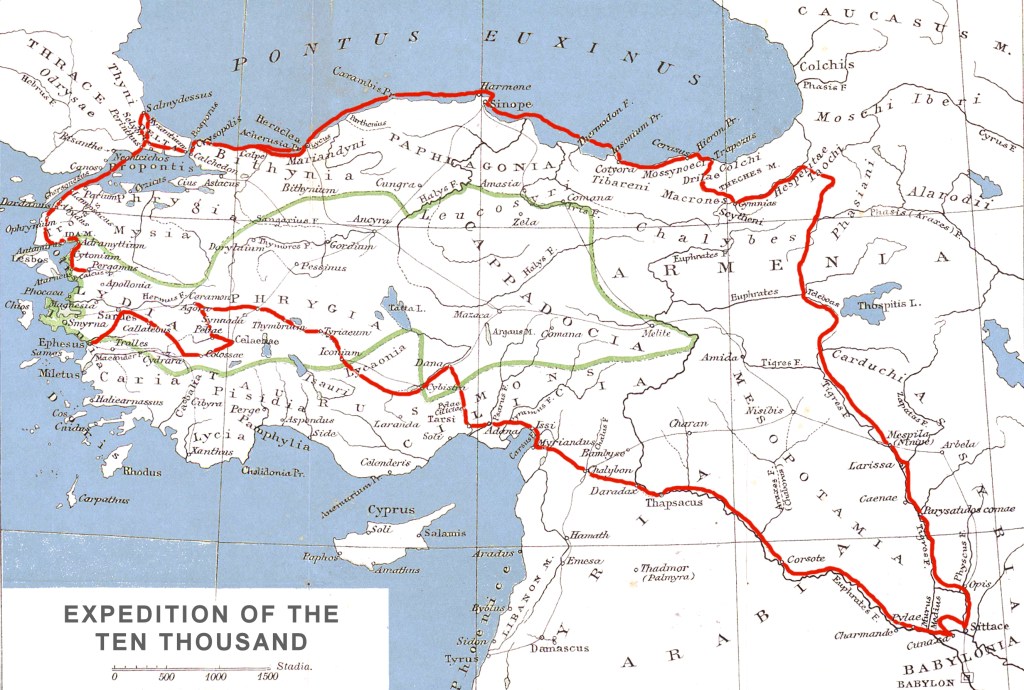
The route taken by Cyrus the Younger and his mercenaries from Sardis to Cunaxa and the return journey

In 401 BCE, Cyrus the Younger set out with an army of supporters and mercenaries to defeat his brother, Artaxerxes II, and claim the Persian throne for himself. But first they had to get there.
Download

Grand Dukes of the West
Apple | Spotify | RSS | Website

Merch On Sale Now! Go to HistoryOfPersia.LaunchCart.store

Patreon Support Page | STORE
Twitter Facebook Instagram

79: Cyrus III

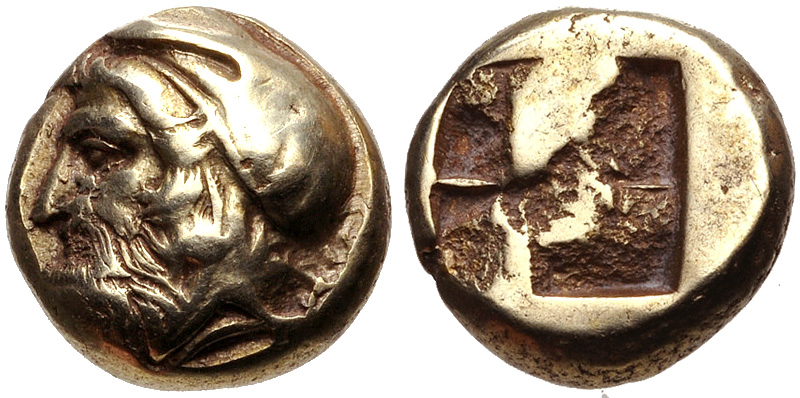
A coin from Phokaia (home of Aspasia the Wise) depicting an unknown satrap, likely Cyrus the Younger or Tissaphernes via Wikimedia

Cyrus the Younger returned to Sardis as Karanos in 404 BCE, still nursing dreams of becoming king. Over the next three years he quietly built up an army of mercenaries and prepared his subjects for war, gathering them under false pretenses to march against his brother, King Artaxerxes II.
Download

So You Think You Can Rule Persia? – Listen Now!
Apple | Spotify | RSS

Merch On Sale Now! Go to HistoryOfPersia.LaunchCart.store

Patreon Support Page | STORE
Twitter Facebook Instagram

78: Robe and Dagger

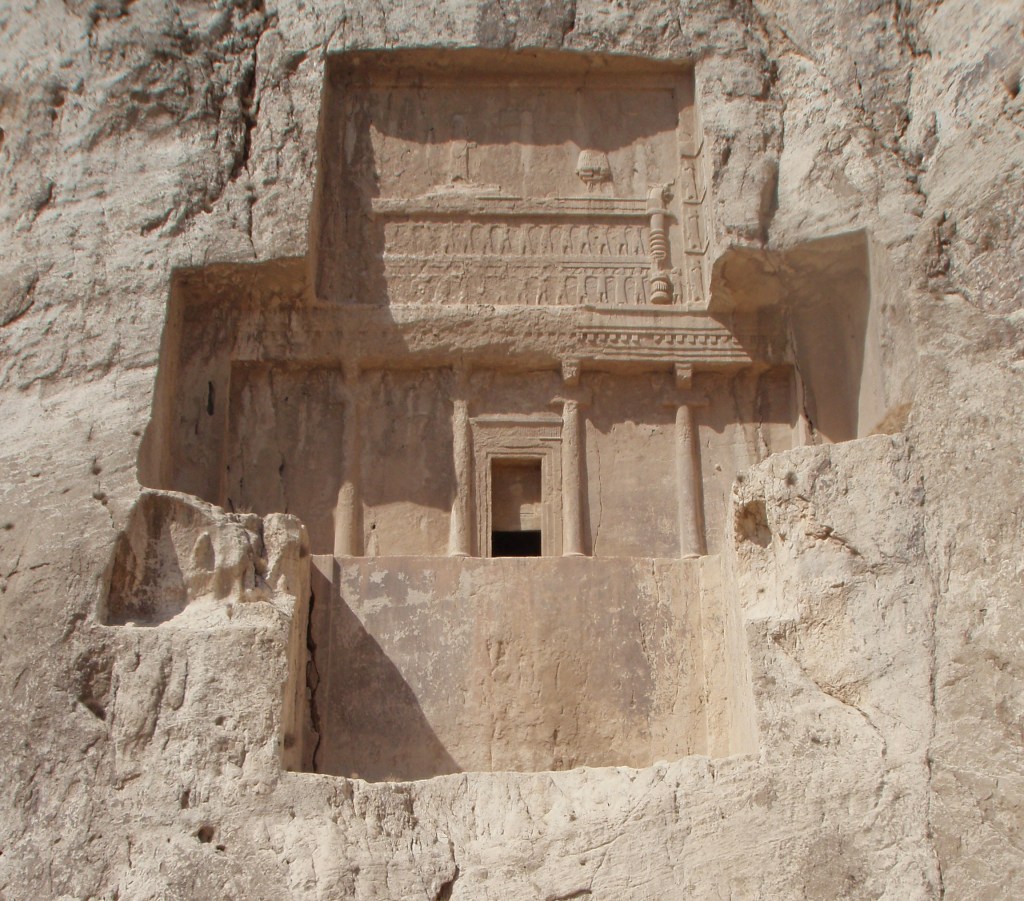
The tomb of Darius II via Wikimedia

In 404 BCE, Darius II died. The king’s death sparked fierce but quiet competition for the throne between the supporters of Cyrus the Younger and Darius’s chosen heir, Arsakes. Arsakes did become King Artaxerxes II, but not without having to settle this conflict.
Download

Warlords of History Podcast

Merch On Sale Now! Go to HistoryOfPersia.LaunchCart.store

Patreon Support Page | STORE
Twitter Facebook Instagram

77: The Yashts

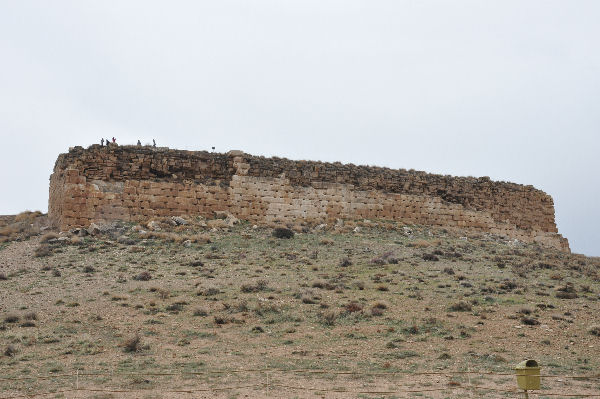
Tall-e Takht, near Pasargadae, possibly the ruins of an Achaemenid-era sanctuary/temple via Livius.org

A collection of early Zoroastrian prayers to the various Yazatas, the Yashts are some of the only surviving sources that provide a detailed window into the more polytheistic aspects of ancient Iran. As a bonus, they partially stem from myths and legends as told in the Achaemenid period.
Download

Merch On Sale Now! Go to HistoryOfPersia.LaunchCart.store

Patreon Support Page | STORE
Twitter Facebook Instagram

Review – King of the World by Matt Waters

King of the World: The Life of Cyrus The Great by Matt Waters

King of the World: The Life of Cyrus the Great by Matt Waters is a new biography of the first Persian King of Kings from Oxford University Press. I was fortunate enough to receive an advanced PDF copy to review. In short, it’s an excellent introduction to both the life of Cyrus and Achaemenid Studies as a field. Almost all shortcomings are more the product of the subject rather than the biographer. For more, give it a listen.
Download

Order King of the World from Amazon
Listen on Audible
Download for Kindle

Merch On Sale Now! Go to HistoryOfPersia.LaunchCart.store

Patreon Support Page | STORE
Twitter Facebook Instagram

76: The Greater Persepolis Area

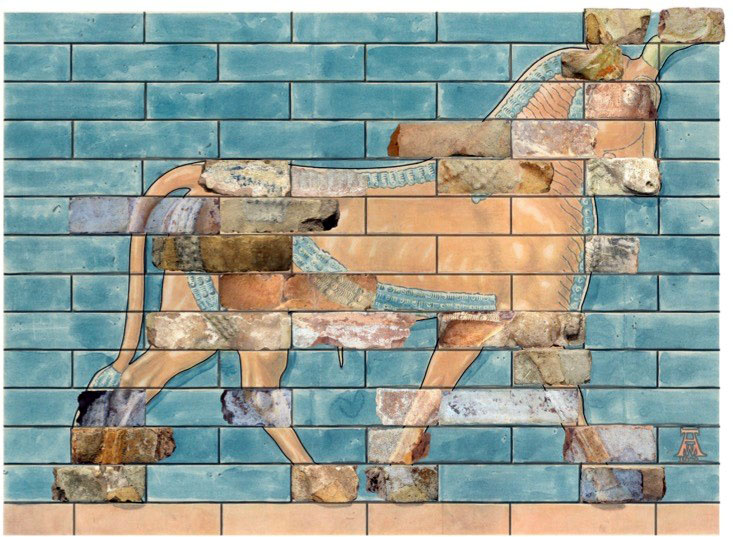
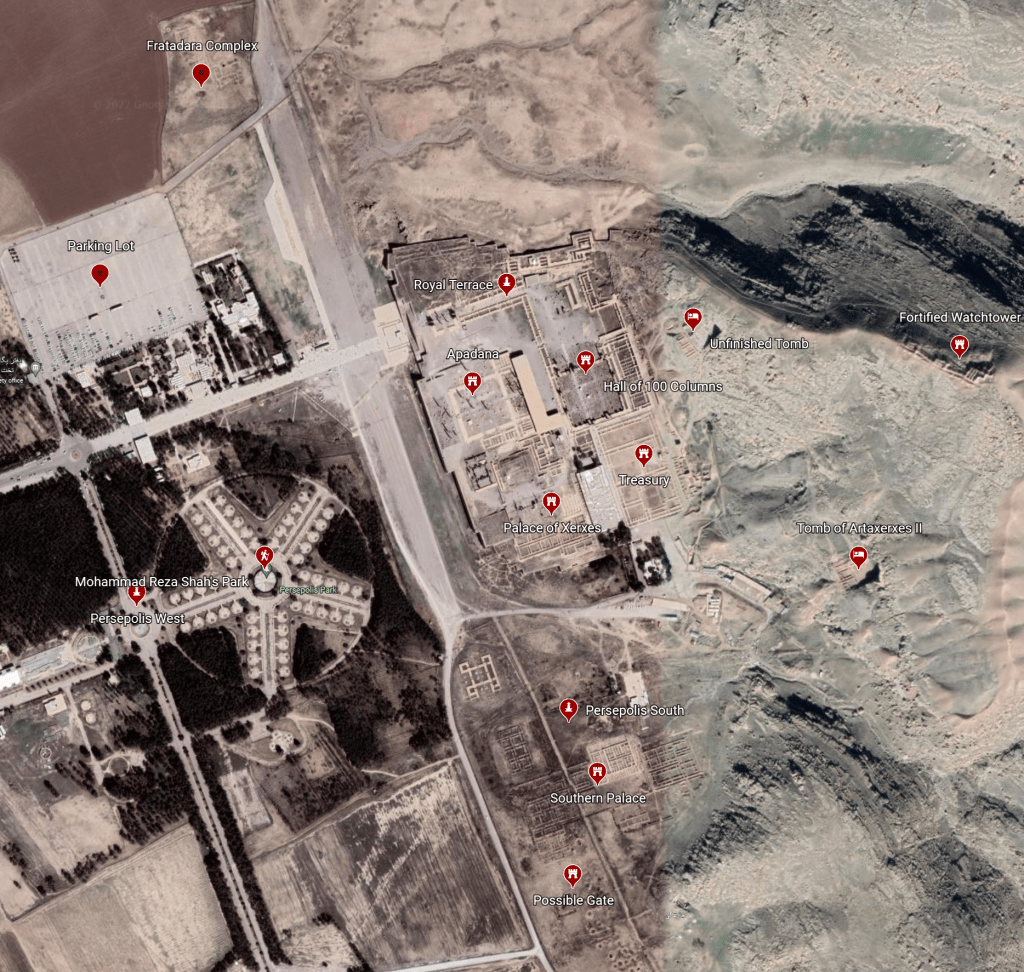
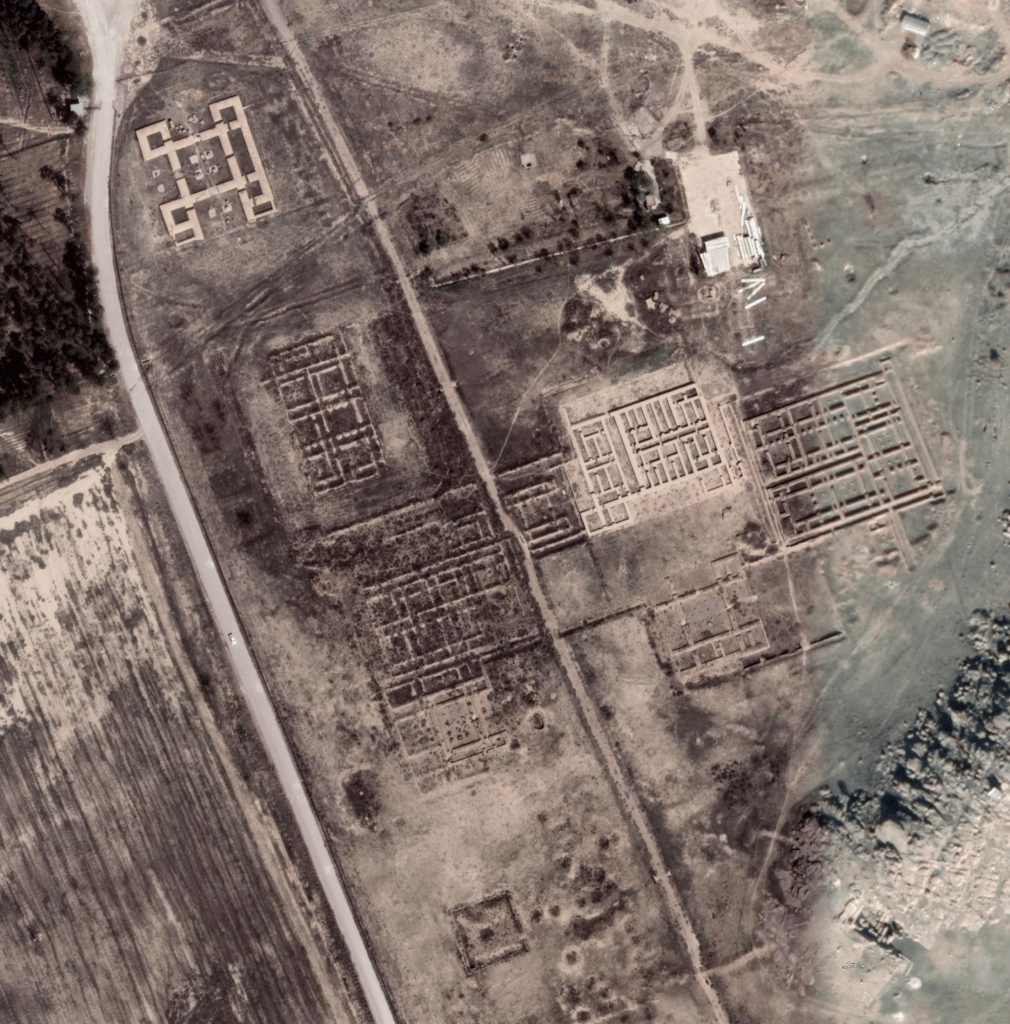
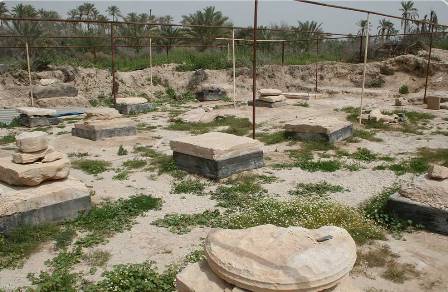
The Achaemenid capital city at Persepolis wasn’t really much of a city in the traditional sense, but that doesn’t mean it was just a palace. A Persepolis Metropolitan Area stretched at least 5km out in every direction, and there have been some exciting finds there as well. We’ll also look at the area surrounding the other Persian palace cities.
Download

Patreon Support Page | STORE
Twitter Facebook Instagram

74: The Temple of Yahweh

The Aramaic letter formally requesting funds to rebuild the Temple of Yaho in Elephantine

No, the other one. In Egypt. The best source of information on events Egypt under Darius II comes from the letters of the Jewish diaspora community in southern Egypt and their temple on the island of Elephantine. They also tell the story of a dramatic confrontation between the Jews and their Egyptian neighbors that ended in forced reconciliation.
Download

Patreon Support Page
Twitter Facebook Instagram

73: The Karanos

Meeting between Cyrus the Younger and Lysander, by Francesco Antonio Grue (1618-1673)

In 408 BCE, Darius II decided the Ionian War called for more drastic, teenage measures. He sent the 16 year old Prince Cyrus to rule western Anatolia as Karanos, a supreme military authority. Cyrus did everything in his power to enable his new Spartan allies’ victory against Athens.
Download

Patreon Support Page
Twitter Facebook Instagram

72: The Ionian War

A coin showing an image of Pharnabzus II, Satrap of Hellespontine Phrygia via Wikimedia

Despite their defeat in Sicily, the tales of Athenian demise in 413 BCE were greatly exaggerated. In 411, Athens and Sparta began to clash again and protracted tug-of-war in the Aegean even as Athens itself was seized by political upheavals.
Download

Patreon Support Page
Twitter Facebook Instagram