I'm Trevor Culley. My personal experience with both Persian history and podcasts began with a college extra credit assignment to listen to the first Hardcore History history episode on the Achaemenids. I was instantly enthralled with the stories of the Kings of Kings and coming a little late to the party, started listening to podcasts. On one hand, I started heading down the road toward PhD that will let me study ancient Persia for a living. On the other, as I binged my way through both the History of Rome and early episodes of the History of Byzantium I was always excited for the episodes dealing with the Parthians and Sassanids. I'm sure some of you shared my surprise and disappointment to discover that there was not a similarly dedicated podcast dealing with the great empires east of Rome. So that brings us here. I've decided to personally create that dedicated podcast.
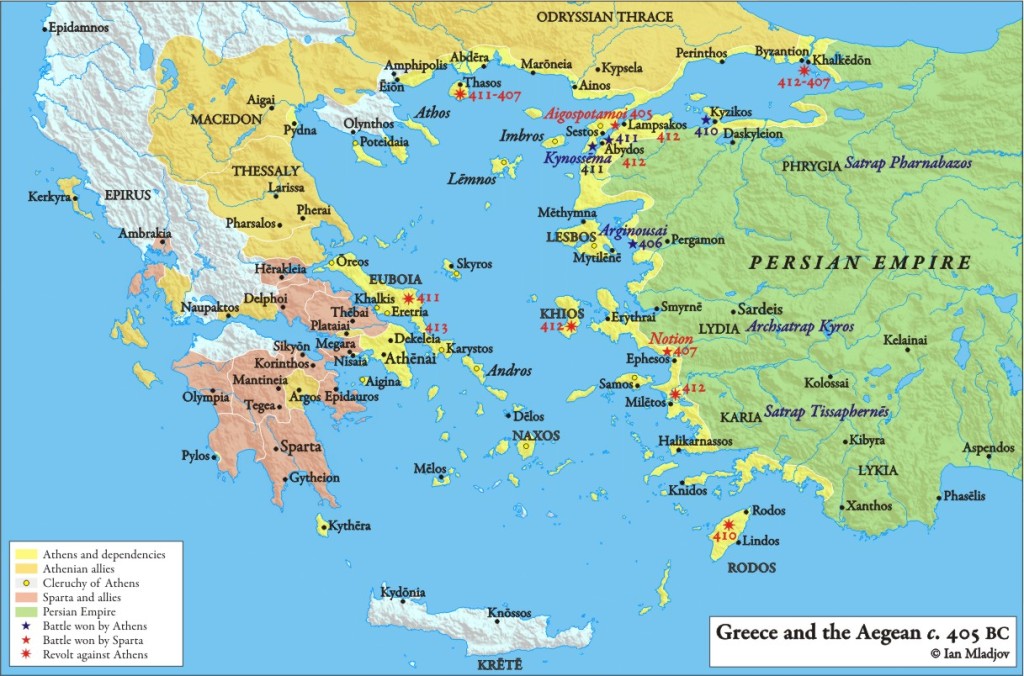
The Aegean Sea during the later Peloponnesian War from Ian Mladjov’s Maps
Darius II’s reign in Anatolia saw the Persian reconquest of Ionia and the Greek cities of west Asia. This was only accomplished with the aid of a surprising ally: Sparta and the Peloponnesian League. Download
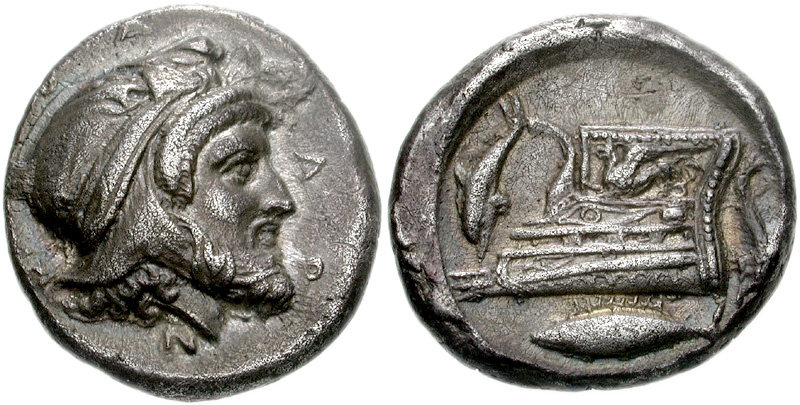
A coin depicting Tissaphernes, the Hydarnid Satrap of Lydia via Wikimedia
The reign of Darius II was chaotic. It is impossible to cover everything, everywhere, all at once. So today, we’re covering the interior of the empire as it was racked by civil war and rebellion for the better part of 20 years. Download
The number of mortgages in the Murashu Archive by year, showing a massive escalation in Artaxerxes I year 41 and Darius II year 1 (Stolper 1985, p.112)
After 41 years on the throne, Artaxerxes I died in December 424 BCE. Much of his family had passed away over the decades, but he probably didn’t expect his only legitimate heir to follow close behind him. Nevertheless, two bastard sons saw this as their time to shine. Download
Cosmetic jar in the shape of the god Bes, from Achaemenid Egypt via Wikimedia
Any discussion of Achaemenid religion is bound to be fascinating, but that discussion isn’t bound to Zoroastrianism. This one’s about all the other gods worshiped in Persia itself. Download
The modern ruins of Artaxerxes Hall of 100 Columns via Wikimedia.
At just over 40 years on the throne, Artaxerxes I was the second-longest reigning Achaemenid king. This is an episode for all of the little things and less detailed stories that played out in that time. From a new status quo in the west to dramatic building projects in the east, Artaxerxes was a busy guy. Download
An Assyrian Soldier, like those in Megabyzus’ army, as depicted on Xerxes’ tomb via Wikimedia
The story of the Megabyzid family conveniently flows from a solid recap of the story so far straight into the next major event in Achaemenid history: the very first satrap’s revolt, complete with Greek mercenaries and royal family drama. Download
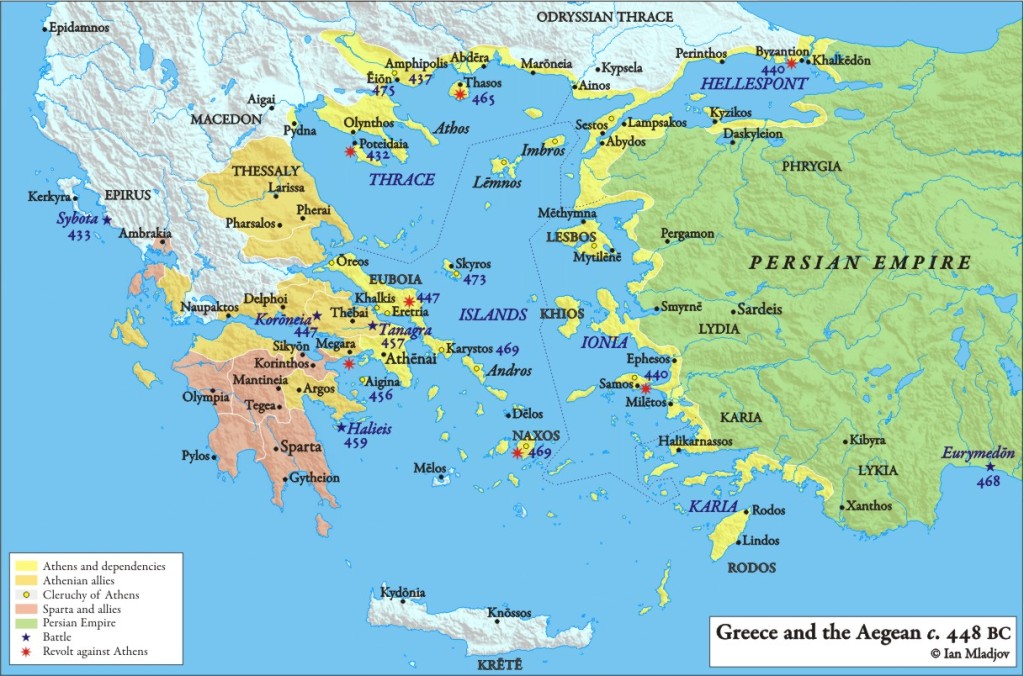
Map of the approximate boundaries of the Persian Empire and Greek leagues in the Aegean after the Peace of Callias via Ian Mladjov.
The treaty known as the Peace of Callias supposedly ended the second Greco-Persian War with a formal agreement between Athens and Persia. However, its very existence is the topic of intense historical debate. Despite this, hostilities did cease in 449 BCE, so something must have happened, right? Download
A cylinder seal depicting the Achaemenid King executing an Egyptian Pharaoh, usually identified with Cambyses, Artaxerxes I, or Artaxerxes III via Wikimedia
The city of Memphis spent almost five years under siege from 459-454 BCE, as the rebel Pharaoh Inaros tried to take the Egyptian capital and oust the Persian government with the aid of the Athenians. When Persian reinforcements arrived, the rebellion was swept aside with apparent ease. Inaros was captured and Athens was sent reeling, only to make one final attempt on Persian territory in Cyprus. Download
Dedication to the Egyptian god Amun-Min by Artaxerxes via WikimediaMap of the Athenian Campaign in Egypt via WikimediaInscription from Artaxerxes in Egypt (L) and Map of the Athenian campaign with Inaros (R)
After Artaxerxes I came to power in 465 BCE, a minor rebellion broke out in western Egypt led by the would-be Pharaoh Inaros II. Inaros quickly came to a stalemate with the local satrap, but in 460 BCE the Egyptian rebel reached out to Athens for aid. The Athenians came in force, broke the stalemate, killed the satrap (and Artaxerxes’ uncle), and joined Inaros as he marched on Memphis. Download
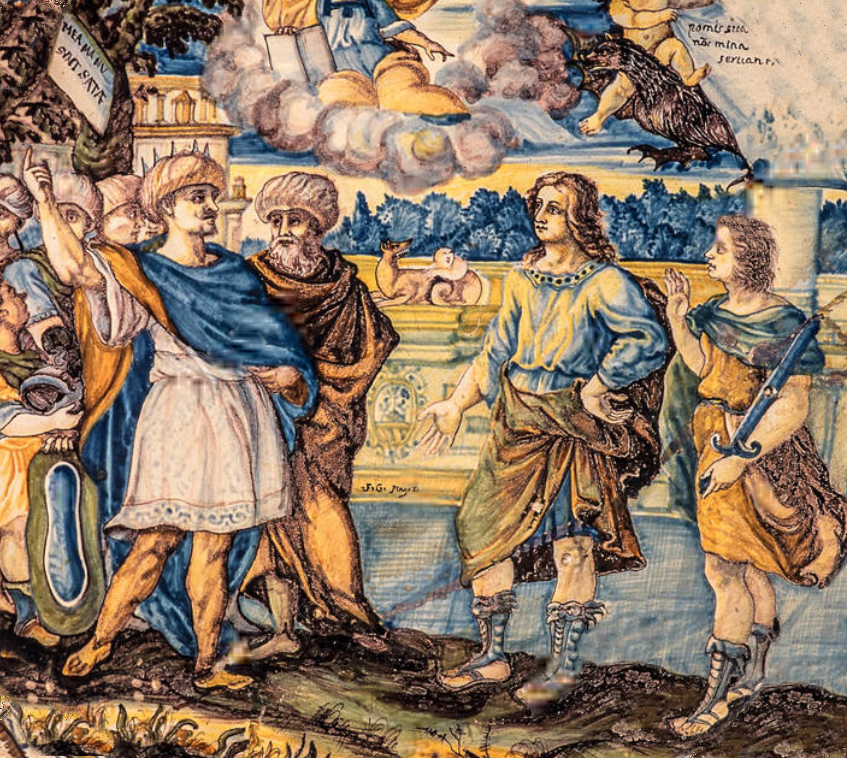
Themistocles standing before Artaxerxes for the first time illustrated by Walter Crane in The story of Greece : told to boys and girls by Mary Mcgregor via Wikimedia
In late 465 BCE, Xerxes I – the King of Kings – was murdered in his sleep by his own captain of the guard, Artabanus the Hyrcanian. Artabanus and a group of highly placed conspirators chose their victim’s third son, Artaxerxes to be their puppet on the throne and moved to secure their coup. Unbeknownst to them, Artaxerxes was not easily manipulated. When the conspirators turned on one another, the Achaemenid Empire plunged headfirst into the age of Artaxerxes with a new round of civil wars. Download