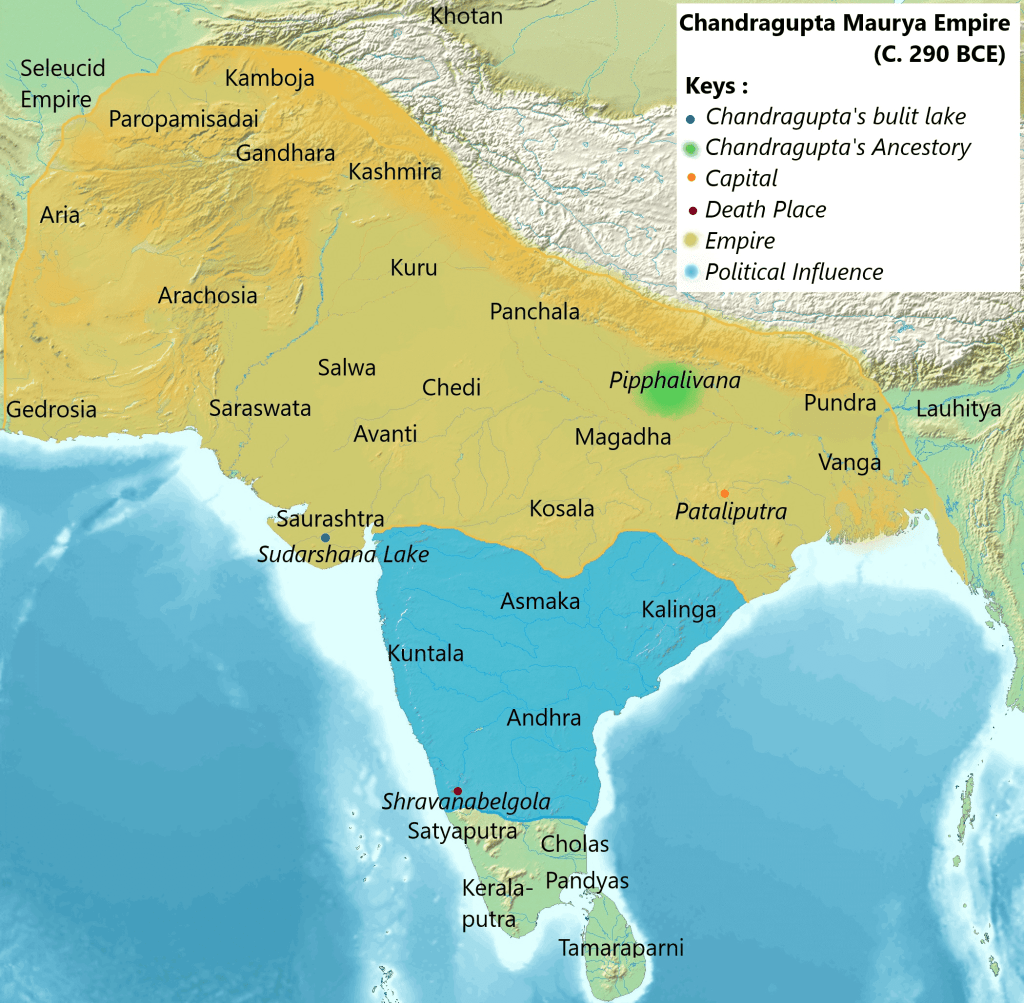
Approximate extent of Chandragupta Maurya’s Empire by the end of his life via Wikimedia
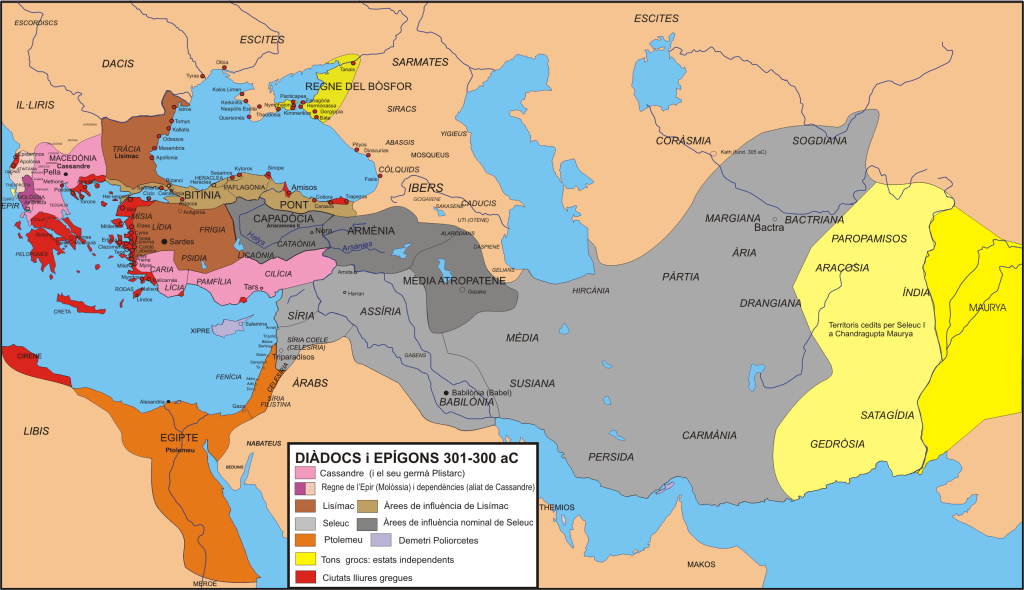
After reclaiming Babylon, King Seleucus began consolidating his power over the upper satrapies, but even as he worked to reclaim the Iranian east, the Mauryan Empire began pushing out of India and across the mountains of Gandhara. Download
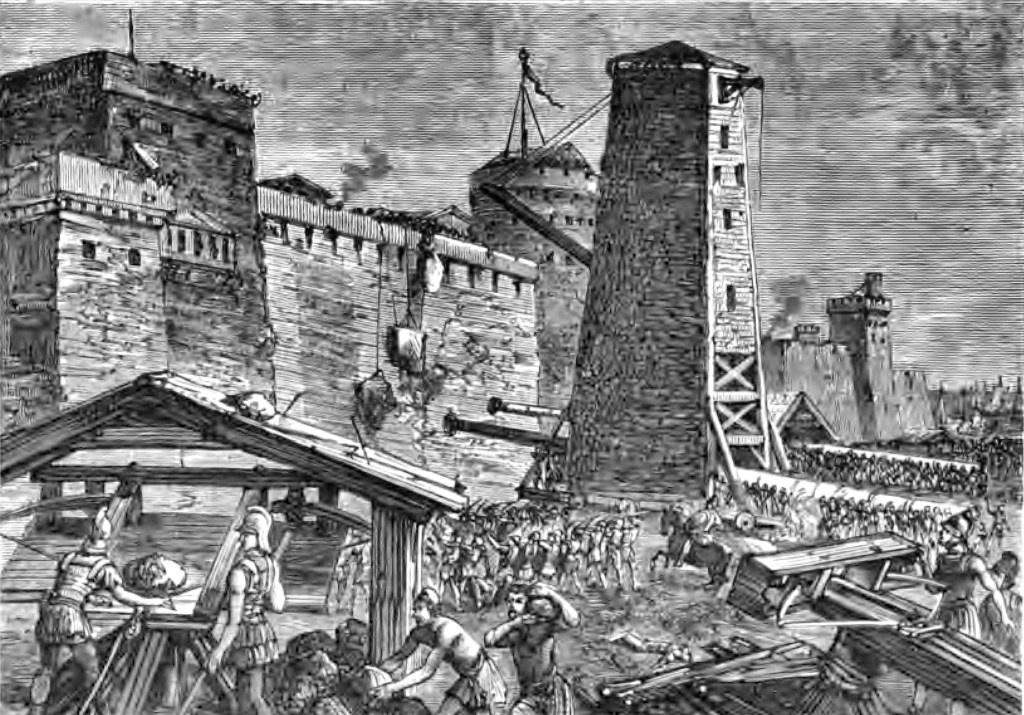
Demetrius’ Attack on Rhodes from Cassell’s illustrated universal history, 1882
After the death of Alexander IV, the former friends and generals of Alexander the Great held their breath, waiting almost a year to resume their wars. The Fourth War of the Diadochoi saw them claim their royal titles as the Successors as Cassander, Ptolemy, and Demetrius battled for dominance. Download
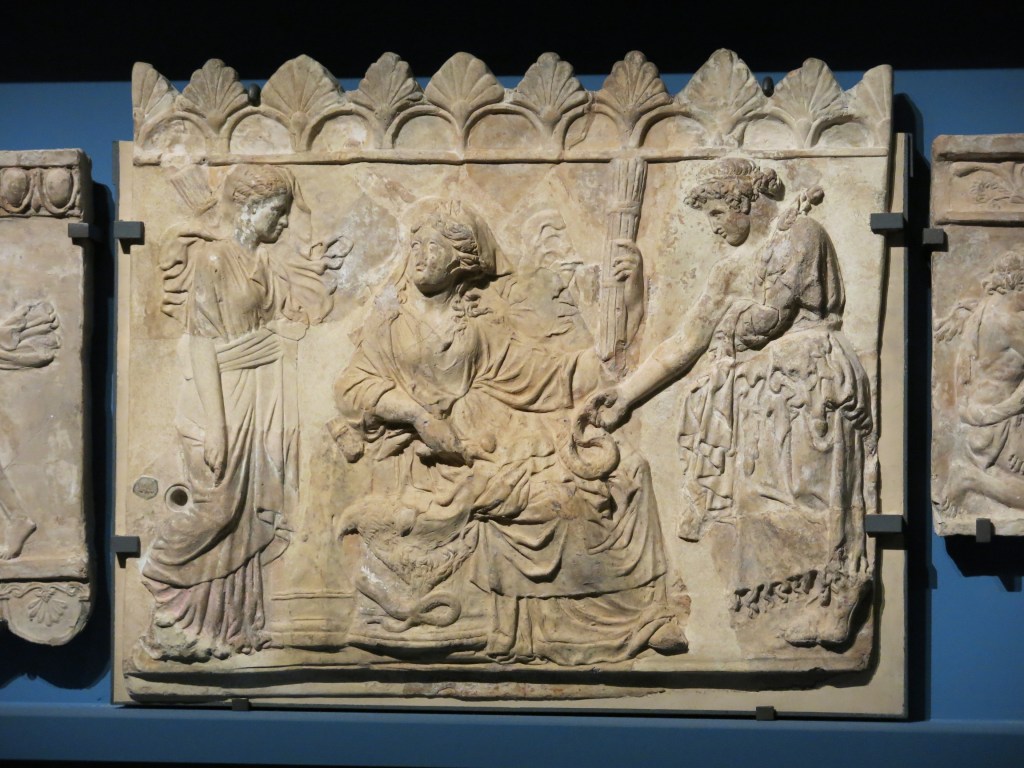
Initiation into the Eleusinian Mysteries c.100 BCE, via Wikimedia
History of Persia dips its toes into the infamous Ancient Greek mystery cults to explore their role in Hellenistic religious life and what exactly makes them so mysterious anyway. Secret rituals, week long parties, and ancient drugs feature in the Eleusinian Mysteries. Download
Shortly before the end of the Third War of the Diadochoi, Seleucus set out with a small army to retake his satrapy in Babylon. After several years of neglect by Antigonus Monophthalmus, Seleucus retook the region easily. Before long he held all of the Upper Satrapies against Antigonus, but by the end of the Babylonian War, events in Macedon sundered the empire of Alexander the Great. Download
The Battle of Gaza between Demetrius and Ptolemy in 312 BCE, engraving 1812 CE
No sooner did the Second War of the Diadochoi end, than the Third began when Antiognus Monophthalmus attempted to seize control of the whole empire. Ptolemy, Seleucus, Cassander, and Lysander rallied against their former comrade as war spread from Palestine to Greece to Thrace. Download
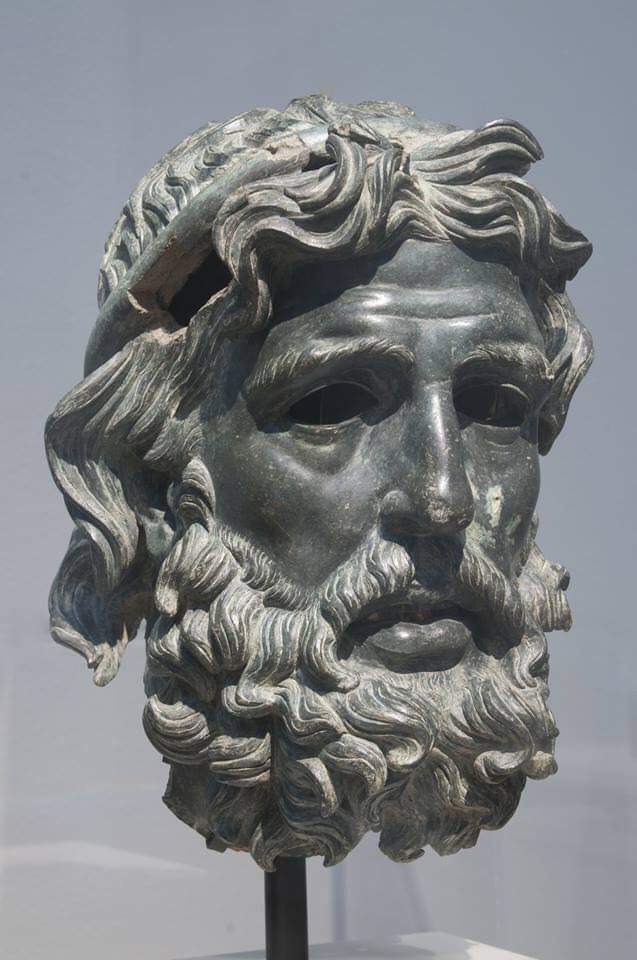
A bust supposedly depicting Antigonus Monophtalmus via Wikimedia
With the sudden death of Antipater, the Empire of Alexander the Great is thrown into chaos once again as the late regent’s son, Cassander forges and alliance to seize the reigns of power. Antigonus is hunting Eumenes. Polyphercon struggles in Greece. Ptolemy and Egypt are just quietly expanding, and titanic figures of ancient history are washed away. Download
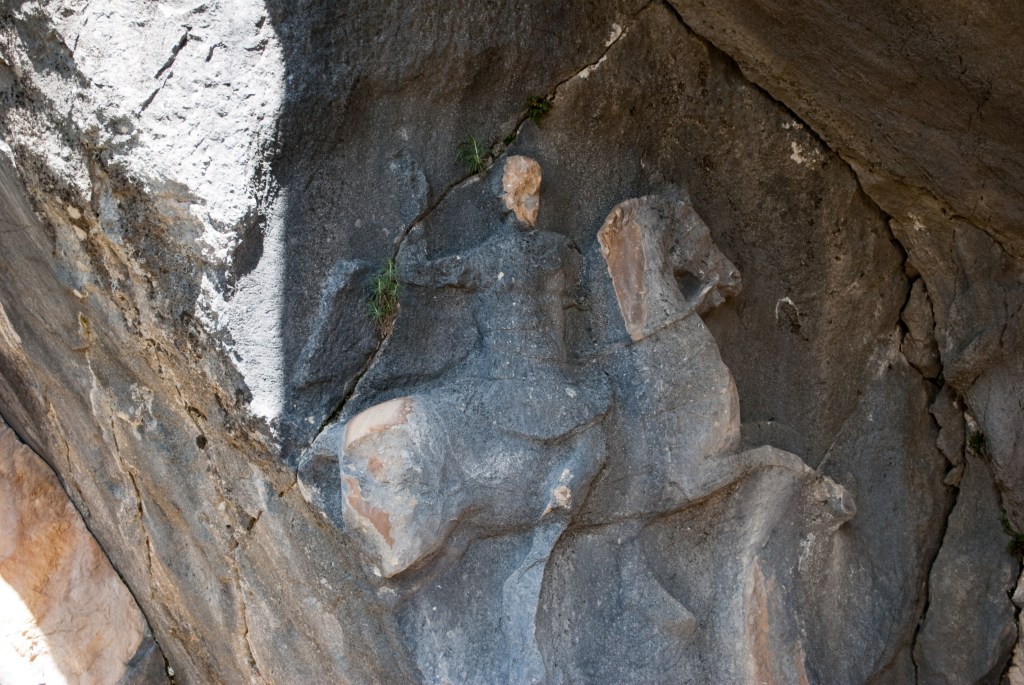
Tomb relief from Termessos, thought to be the tomb of Alkestas via Wikimedia
Within just two years of Alexander the Great’s death, the conqueror’s empire shattered into civil war as Perdiccas threatened the most powerful nobles in the empire to solidify his own power as regent. Together with Eumenes, Alkestas, and a host of loyalists generals, the Perdiccid faction faced down Antipater, Antigonus, Craterus, and Ptolemy. It was the First War of the Diadochi, the First War of the Successors. Download
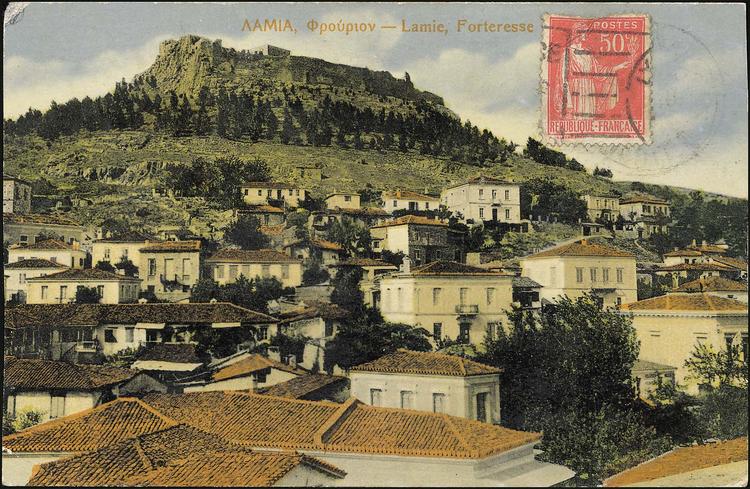
Post card from Lamia showing the acropolis where Antipater was besieged, 1917
History of Persia is back as we enter the Hellenistic Age. From a veterans’ revolt in Bactria to the Lamian War in Greece, Perdiccas became the new regent of Alexander the Great’s Empire in a chaotic time of shifting allegiances. Download
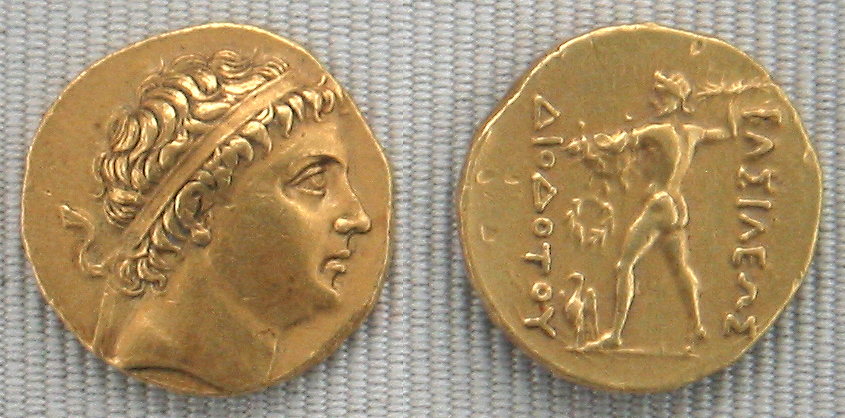
A distinctly Greek-style coin of King Diodotos of Bactria, c.245 BCE via Wikimedia Commons
I sat down for a chat with Derek from the Hellenistic Age Podcast (@HellenisticPod) so he could explain the basics of Hellenism and this new era that emerged in the aftermath of Alexander the Great’s conquests. Download




.jpg)


