104: The Darius Restoration

Darius III(?) depicted on the unfinished tomb in Persepolis South via Livius.org

Darius III was handpicked by Bagoas the Elder to succeed Artaxerxes IV, but Bagoas realized his mistake too late. Darius was no puppet king. He seized the reigns and set to work stabilizing the Persian Empire, bringing them back from the brink of annihilation.
Download

IntelligentSpeechOnline.com

Patreon Support Page STORE 

Twitter Facebook Instagram

102: The Coup Without A King

Possible depiction of Prince Arses on a Mysian coin via Wikimedia Commons

After conquering Egypt, Artaxerxes III got to work ruling his empire. New buildings rose on the Persepolis terrace. Overly ambitious Macedonians had to be managed. A host of young princes needed to be trained, but wait… does this wine taste off to you, Bagoas?
Download

Patreon Support Page STORE 

Twitter Facebook Instagram

95: The Holy Trinity

A column base from Hamadan (Ecbatana) where Artaxerxes II invokes Ahura Mazda, Mithra, and Anahita via Livius.org

As we approach the end of Artaxerxes II, it’s time to talk about his gods. All of a sudden, Anahita and Mithra began appearing alongside Ahura Mazda in royal inscriptions, but it turns out it may not have been so sudden after all.
Download

2022 Holiday Special: Mithra and Mehregan

Patreon Support Page STORE 

Twitter Facebook Instagram

91: The Great Satraps’ Revolt

A gold stater minted by Orontes during his time in Mysia, featuring his own portrait via Wikimedia

After years of quietly building up their strength, Ariobarzanes’ and Datames’ rebellion was out in the open, but unbeknownst to them, not all of their supposed allies were ready to abandon the Empire. Meanwhile, Greece and Egypt were both on the verge of war once again.
Download

Moment.co/HistoryOfPersia – Live Event Tickets Now!

So You Think You Can Rule Persia

Patreon Support Page STORE 

Twitter Facebook Instagram

90: The Conflagration

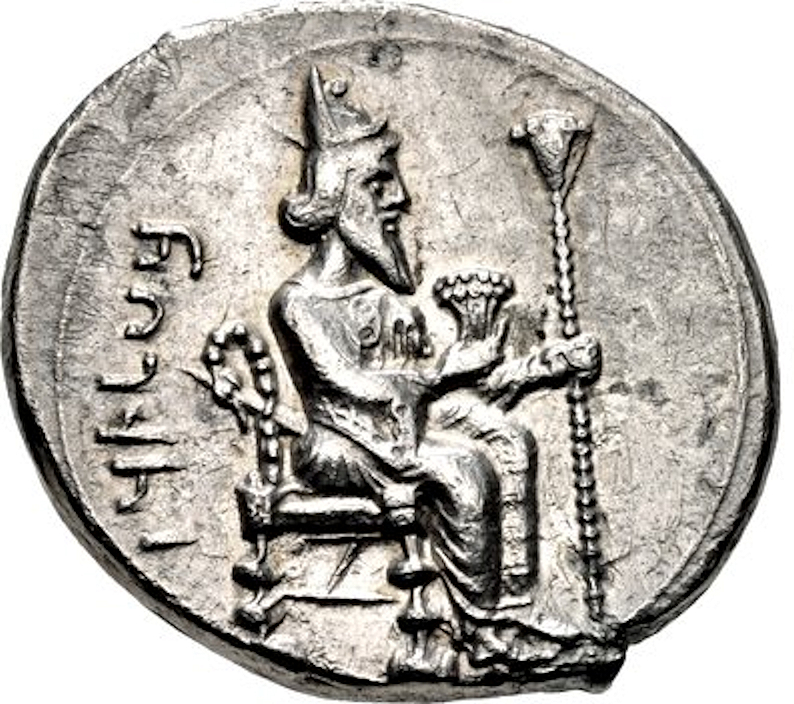
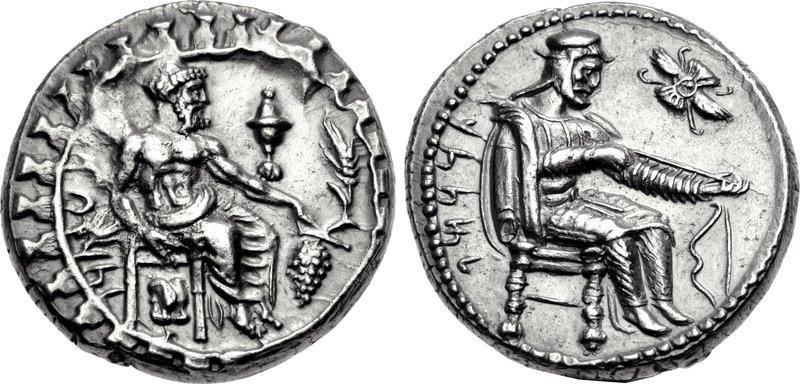
A silver coin minted by Datames in Cilicia showing the rebel satrap with a faravahar (R) and the Cilician god Baaltars (L) via Wikimedia

As his generals struggled against Egypt, Artaxerxes dealt with their failures harshly – so harshly that his newest commander in the west rejected the Empire altogether. Fearing for his life whether he invaded Egypt or not, Datames quietly raised the rebel and tried to take all of Anatolia with him.
Download

Patreon Support Page STORE 
Twitter Facebook Instagram

89: Wars for the West

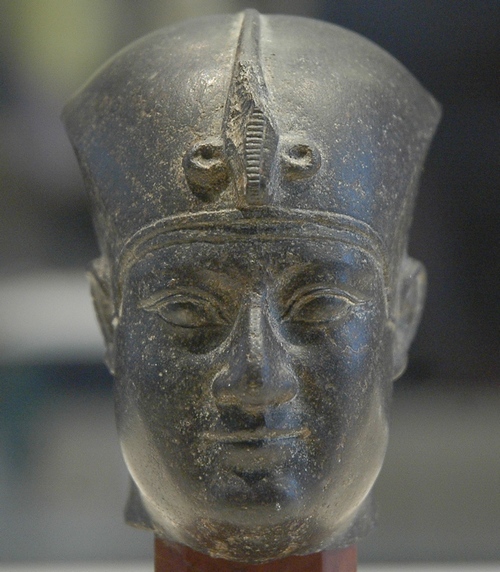
A statue of Pharaoh Nakhtneb via Wikimedia

With Greece and Cyprus again at peace, it was time for the Persian Empire to pursue its war against Egypt once more. A new pharaoh takes the throne. Iphikrates attempts to reinvent the Greek soldier. Datames is on the rise. Artaxerxes is ascendant, and the King’s Peace is left in the hands of his new Greek vassals.
Download

Patreon Support Page STORE 
Twitter Facebook Instagram

88: Peace At Last

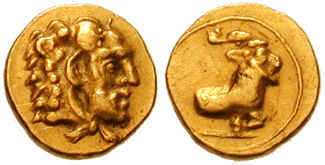
A gold stater minted by Evagoras, depicting Herakles via Wikimedia Commons

In 386 BCE, The Greco-Persian Wars finally came to an end when Artaxerxes II settled the Corinthian War by forcing the Greeks to accept The Kings Peace. For Persia, that was just the tip of the iceberg. With Greece settled, the western Satraps turned their attention to Cyprus, bringing King Evagoras of Salamis to heal in preparation for the long awaited invasion of Egypt.
Download

Patreon Support Page STORE 
Twitter Facebook Instagram