157: The Seleucid Civil War

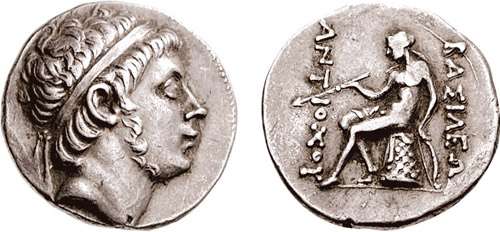
Antiochus Hierax featured on a silver tetradrachm coin with the god Apollo on the reverse via Wikimedia

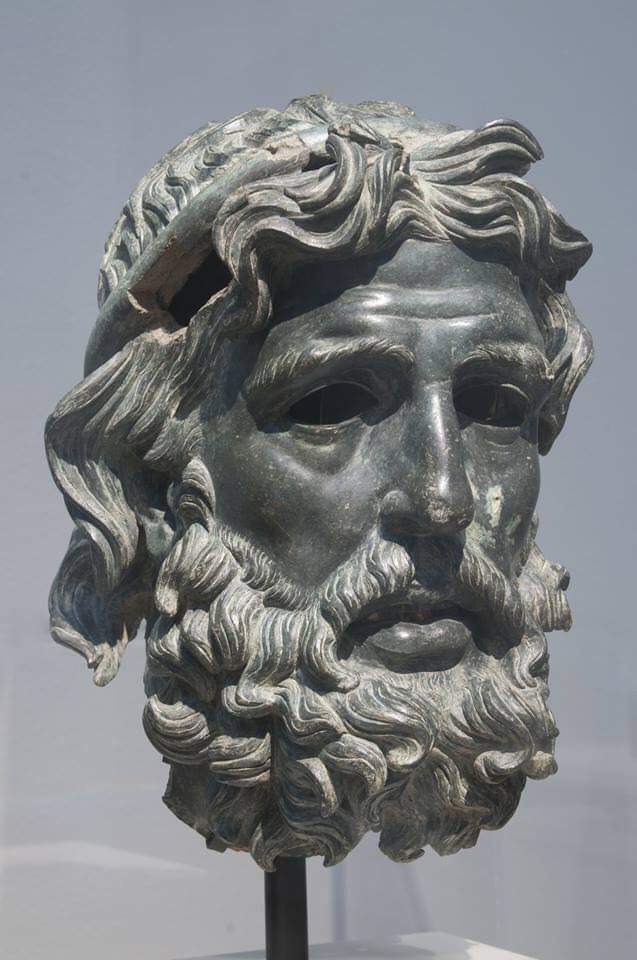
During the Third Syrian War, Seleucus II Callinicus discovered treachery. His younger brother, Antiochus Hierax and their royal relatives in Anatolia attempted to usurp the throne. Seleucus was forced to make a hasty peace with Ptolemy III and return to the north to face his brother in open civil war.
Download

IntelligentSpeechOnline.com – Intelligent Speech Online 2026 Tickets available now!

Visit https://HoPfulMedia.com.co to support this show!
Support BlueSky Facebook Instagram

136: Ipsus

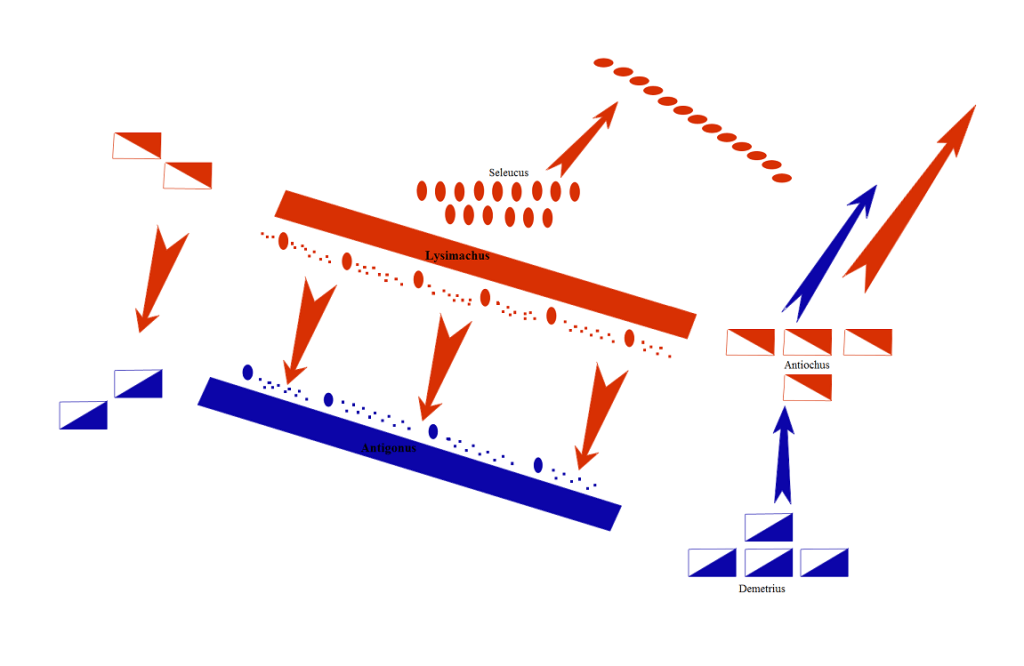
Rough combat map for the Battle of Ipsus – Cavalry in slashed blocks, phalanges infantry in solid blocks, skirmishers in dots, elephants in ovals – via Wikimedia

The Wars of the Diadochoi did not end in 301 BCE, but their Fourth War finished with a dramatic turning point in the Battle of Ipsus as Antigonus and Demetrius faced off against Seleucus, Lysimachus, and Pleistarchus.
Download

Visit https://HoPfulMedia.com.co to support this show!
Support Twitter Facebook Instagram

128: Chaos on the Western Front

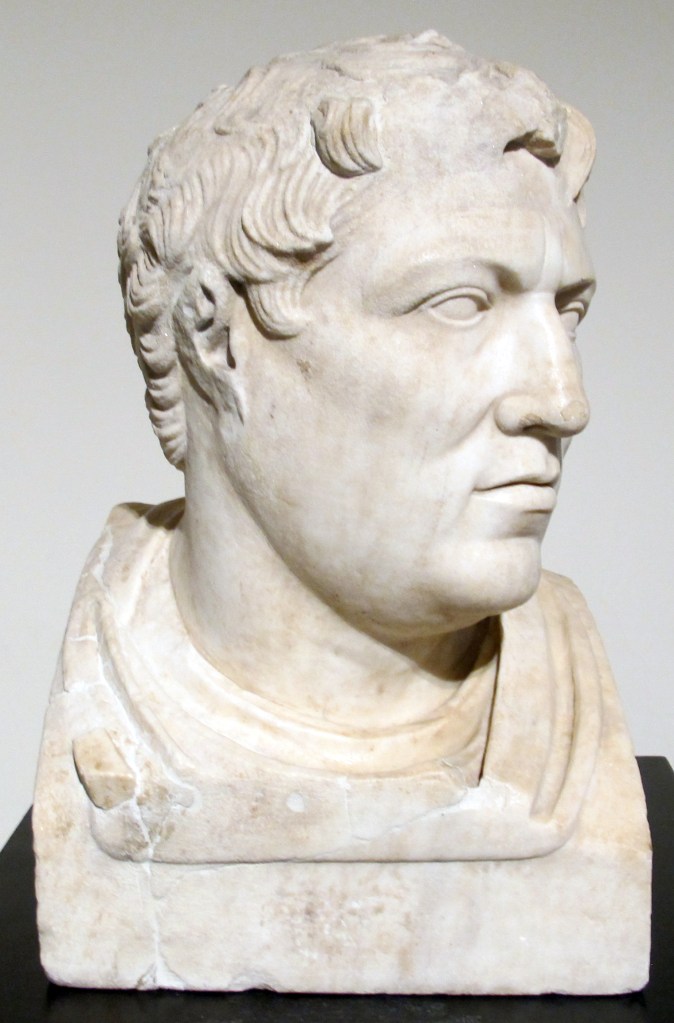
A bust supposedly depicting Antigonus Monophtalmus via Wikimedia

With the sudden death of Antipater, the Empire of Alexander the Great is thrown into chaos once again as the late regent’s son, Cassander forges and alliance to seize the reigns of power. Antigonus is hunting Eumenes. Polyphercon struggles in Greece. Ptolemy and Egypt are just quietly expanding, and titanic figures of ancient history are washed away.
Download

Visit https://HoPfulMedia.com.co to support this show!
Support Twitter Facebook Instagram

Episode 32: Begun, the Greek Wars Have

Bust of Solon the Athenian Lawmaker. Copy from a Greek original (c. 110 BC) from the Farnese Collection via Wikimedia Commons  Attribution-Share Alike 3.0 Unported license

To prepare ourselves for their role in the coming wars between Persian the Greek city states, I’m explaining the history and politics of Archaic Athens, from their first adoption of oligarchy rather than monarchy, down through the adoption of democracy, the Peisistratid tyrants, and the final restoration of democracy by Cleisthenes. At the end of that long process, the Athenians and their Eretrian allies joined forces with the Ionian Greek cities of Anatolia in their revolt against the Persian Empire. In 498 BCE, the Greek army set out from Ephesus in a lightning raid to attack, and ultimately destroy, the Lydian capital at Sardis.
Stream
Download

Patreon
Amazon Fresh
Amazon Prime

Casting Through Ancient Greece
Ancient Persia: A Concise History of the Achaemenid Empire by Matt Waters

Ad: Amazon

Episode 31: The Naxos Incident

Illustration of Histaeos and the Ionians meeting the Scythians by John Steeple Davis, 1900

At the end of the 6th century BCE, a group of exiled aristocrats from the island of Naxos inadvertently set off a chain of events that would eventually lead to such famous battles as Marathon, Thermopylae, and Salamis. They asked the Milesian Tyrant, Aristagoras, to help them retake their home island after being kicked out. Aristagoras went to the Satrap of Lydia, who in turn asked Darius the Great. When Darius gave the go ahead, a Persian fleet invaded, and subsequently retreated from Naxos. Out of money and out of options Aristagoras and the rest of the Ionian Greeks in western Anatolia began hatching a plan to launch an Ionian Revolt against the Persian Empire.
Stream
Download

Patreon
Audible
Sticker Contact
Support Page

Ad: Audbile

Episode 27: The Grand Tour, Part 2

Administrative Divisions of the Achaemenid Empire, 490 BC by Ian Mladjov on Ian Mladjov’s Resources

The tour of the Persian Empire continues, this time covering the western Satrapies. I’m exploring the details and histories of the Persian provinces starting with Armenia and moving counter clockwise, through Anatolia and Europe, over the Mediterranean, North Africa, Arabia, and Assyria. Based on the maps of Ian Mladjov.
Stream
Download

Patreon
Support Page
Audible Trial

Casting Through Greece
The History of Egypt podcast

Ad: Audible

Episode 18: The Tyrant and The Kings

Polykrates by Mikhail I. Kozlovsky, 1790 in bronze, in the Russian Museum. The piece depicts the crucifixion of the tyrant. From Stebanoid via Wikimedia Commons under Creative Commons Attribution-Share Alike 3.0 Unported

The story of Polykrates, the Tyrant of Samos, intersects repeatedly with the history of the Persian empire during his life. From his rise to power in the vacuum left when Miletus was conquered, to his alliance with Egypt against the Persians, and finally to his death on the orders of a Satrap. His story feeds directly into the history around Oroites, the Satrap of Sparda (the kingdom formerly known as Lydia). Oroites tried to seize some power for himself in events that prepare our narrative for the chaotic years following Cambyses’ death.
Streaming
Download

Patreon
Support Page